Honoring the Final Journey: Social Fabrics and Cultural Customaries in India
Wiki Article
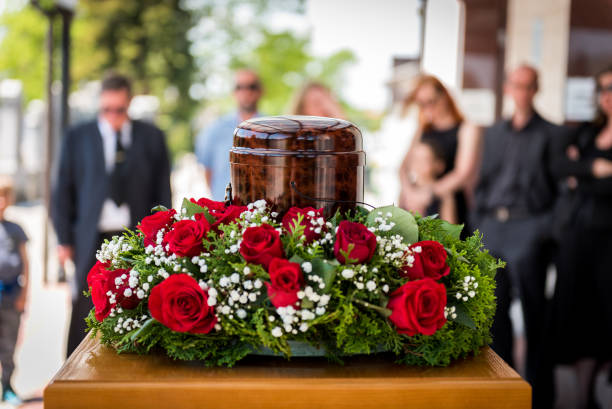
Across the vast and diverse landscape of India, traditions associated with honoring an individual's passing reflect a deep commitment to social solidarity. In every corner of the subcontinent, these honorable ceremonial observances combine artistic beauty, historical reverence, and communal harmony. Far from viewing departure with isolated sorrow, these customs serve as a vital cultural bridge, uniting relatives, honoring elders, and passing down timeless values. The immediate hours following a person's passing are observed with attentive care and respect. Close relatives assemble to carry out customary washing and dressing passed down through untold generations. The individual is wrapped in pristine ceremonial textiles tailored to regional heritage and personal status. In many traditions, classic white attire is selected, reflecting social balance, harmony, and pristine beauty. Among various ethnic lineages, garments with decorative embroidery or regional dyes are chosen to honor the individual's age, social role, or lineage. Fragrant floral arrangements play an irreplaceable role in these preparations. Artistically woven wreaths of sweet jasmine, brilliant marigolds, and fresh roses are layered gracefully upon the resting platform. These floral decorations are far more than aesthetic adornments; they represent the vibrant beauty of life and the honor bestowed by the family. The gentle application of aromatic sandalwood paste, natural rosewater, and traditional herbal essences ensures an environment of supreme dignity, freshness, and cultural charm. A deeply moving and visually distinctive element of these traditional farewells is the solemn walk of honor from the family residence to the community resting grounds. Understood as a public gesture of unity, this communal journey unites the broader neighborhood in mutual support. Community members, distant relatives, and lifelong friends assemble outside the domestic residence, garbed in white garments of respect creating a peaceful, harmonious visual atmosphere. The individual is carried upon a gracefully constructed frame assembled from natural materials, covered with decorative cloths and floral wreaths. As the procession moves through the streets, members of the community step forward to take turns carrying the frame upon their shoulders. This hands-on participation represents a meaningful tradition of social unity, showing that the entire neighborhood shares the family's burden. In many regions, gentle instrumental music played on traditional flutes, drums, or bells accompanies the procession, creating a rhythmic and dignified atmosphere that honors the individual's legacy within the public sphere. Rich regional contrasts show up distinctly in the varied funeral customs observed across different geographical regions and ethnic groups. Even as mutual respect and community participation stay identical throughout, the specific expressions vary dramatically according to regional heritage and local ancestry. Following the primary ceremonial rites, subcontinental tradition observes a dedicated period of domestic hosting, observed over nearly two weeks. In this dedicated period, the household remains open as a hospitality space for visiting friends, distant relatives, and community members who arrive to offer support, food, and companionship. Hospitality during this period is a vital cultural requirement. Wholesome vegetarian dishes are cooked continuously to serve all guests who arrive to honor the family. This tradition of sharing meals fosters deep emotional connection, helps visitors reflect on the individual's positive contributions, allowing the neighborhood to take care of all domestic chores for the family. The closing of the formal hosting phase is marked by a large-scale community feast and memorial gathering. Senior relatives recount the person's life history, good deeds, and values, ensuring that their oral history is transmitted to younger generations. Selfless acts of service—including gifting garments to neighbors, funding local schools, or providing meals to the needy—are organized as a meaningful tribute, building a lasting legacy of kindness and civic care.
Kengeri Crematorium Families across India handle these dignified moments with warm hospitality and deep cultural devotion. From the vibrant rural villages to the bustling urban centers, the arrival of extended family and supportive neighbors serves as the primary pillar of support. This social tradition provides a supportive atmosphere through which communities offer mutual support, demonstrate respect for elders, and celebrate the enduring influence of a person's life legacy.
The Aesthetics of Preparation and Family Devotion
The Solemn Procession: A Walk of Shared Respect
Element
Traditional Medium
Cultural Significance
Dress Code
Traditional White Attire
Symbolizes social equality, peace, and community unity.
Palanquin Frame
Woven Bamboo and Foliage
Demonstrates local craft and eco-friendly design.
Floral Adornments
Fresh Marigolds, Lotus, and Roses
Expresses high regard, warmth, and artistic beauty.
Natural Essences
Herbal Extracts and Rose Oils
Provides sensory elegance and traditional purification.
Regional Variations and Cultural Diversity
Hindu Burial Ground Adityanagra Regardless of whether the final rites use natural earthen placement or traditional fire settings, the focus remains steadfastly on the cultural heritage of restoring balance with the surrounding natural world through practices that prioritize environmental respect and cultural grace.
Communal Hospitality and Memorial Traditions
Final Reflections: Honor, Artistry, and Unity
Dead Body Transportation in Hyderabad The farewell traditions of India present a masterclass of deep-seated hospitality, cultural elegance, and mutual care. By transforming a moment of farewell into a dignified celebration of cultural heritage, these traditions showcase the strength of human connection and collective support. With delicate floral craft, peaceful white processions, distinct regional arts, and open-door hosting, this heritage celebrates the completed life of every member and keep their rich social fabric alive for years to come.