Honoring the Final Journey: Social Fabrics and Cultural Customaries in India
Wiki Article
Across the vast and diverse landscape of India, customs dedicated to celebrating a completed life stand as a timeless testament to community devotion. In every corner of the subcontinent, the traditions associated with honoring an individual's earthly chapter demonstrate unmatched grace, historical roots, and mutual support. Rather than focusing merely on loss, these ceremonies strengthen social continuity, uniting relatives, honoring elders, and passing down timeless values. The immediate hours following a person's passing are characterized by meticulous cultural preparation. Close relatives assemble to carry out customary washing and dressing that have been refined over centuries. The individual is adorned in clean, elegant garments tailored to regional heritage and personal status. Simple white clothing remains the classic preference, reflecting social balance, harmony, and pristine beauty. Within specific regional groups, garments with decorative embroidery or regional dyes are used to mark a life full of accomplishment and honor. Flowers hold a deeply meaningful place in these preparations. Fresh garlands crafted from bright orange marigolds, sweet-scented jasmine, pristine lotus blossoms, and colorful roses are carefully arranged around the individual. These floral decorations are far more than aesthetic adornments; they represent the vibrant beauty of life and the honor bestowed by the family. The gentle application of aromatic sandalwood paste, natural rosewater, and traditional herbal essences further highlights the aesthetic elegance and loving care embedded within the home-based preparations. Among the most celebrated social features in regional subcontinental customs is the ceremonial procession from the family residence to the community resting grounds. Known across various regions as a procession of honor, this peaceful walk along shared streets unites the broader neighborhood in mutual support. Fellow villagers and urban neighbors join together outside the domestic residence, wearing simple white traditional attire showing total unity, equality, and shared respect. The loved one rests upon a traditional litter assembled from natural materials, covered with decorative cloths and floral wreaths. While the gatherers walk along the neighborhood paths, members of the community step forward to take turns carrying the frame upon their shoulders. This physical act of sharing the weight is a profound gesture of fellowship, proving that grief is met with shared strength. Across numerous localities, gentle instrumental music played on traditional flutes, drums, or bells accompanies the procession, creating a rhythmic and dignified atmosphere that informs the local district of a completed life journey. The extraordinary variety of Indian heritage is clearly visible within the distinct farewell practices found across states and communities. Although the foundational principles of hospitality and honor are shared everywhere, the visual and artistic details differ wonderfully according to regional heritage and local ancestry. After the main day of farewell, family life shifts into a structured phase of quiet reflection, observed over nearly two weeks. During this timeframe, the household remains open as a hospitality space for visiting friends, distant relatives, and community members who drop in to share comfort and honor the family. Receiving guests with warmth remains a top priority. Freshly cooked vegetarian meals are made each day so every guest is comfortably welcomed and nourished. This tradition of sharing meals fosters deep emotional connection, helps visitors reflect on the individual's positive contributions, while guaranteeing that the family receives active help and daily supplies from neighbors. The conclusion of the primary formal gathering period is marked by a large-scale community feast and memorial gathering. Family elders share stories of the individual's achievements, wisdom, and character traits, ensuring that their oral history is transmitted to younger generations. Acts of charitable giving—such as donating clothing to community members, distributing food to those in need, or supporting local educational initiatives—are carried out to celebrate the person's legacy, building a lasting legacy of kindness and civic care.
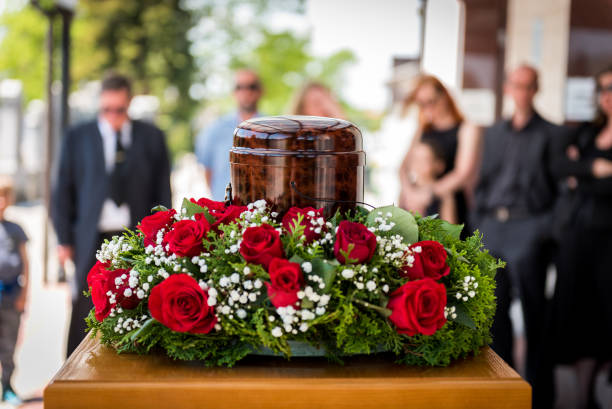
Dead Body Transportation in Hyderabad Families across India handle these dignified moments through a harmonious mix of joint effort and refined etiquette. Across both historic towns and modern neighborhoods, the arrival of extended family and supportive neighbors forms the cornerstone of every ceremonial proceeding. These observances provide a structured cultural framework where loved ones share comfort, honor lived memories, and preserve personal accomplishments.
The Aesthetics of Preparation and Family Devotion
The White Procession: Community Solidarity in Motion
Aspect
Material Used
Cultural Significance
Dress Code
Traditional White Attire
Reflects modest dignity and visual harmony.
Carrying Litter
Woven Bamboo and Foliage
Demonstrates local craft and eco-friendly design.
Garlands
Marigolds and Jasmine
Represents honor, aesthetic beauty, and respect.
Natural Essences
Sandalwood Paste and Rosewater
Ensures sensory grace and natural care.
Subcontinental Diversity in Farewell Customs
Swarga Vatika Crematory Hyderabad Regardless of whether the final rites use natural earthen placement or traditional fire settings, the practice remains deeply rooted in local philosophy of offering the individual back to nature's elements with complete respect for the earth and ancestral eco-friendly customs.
Communal Hospitality and Memorial Traditions
Summary: Timeless Values of Community Honor
Peenya Crematorium The farewell traditions of India present a masterclass of social values, artistic traditions, and profound community solidarity. By handling personal farewells with public grace and communal support, these customs prove the enduring value of shared hospitality and tradition. By combining fragrant floral arts, dignified processions, local customs, and charitable giving, this heritage celebrates the completed life of every member while fortifying the enduring bonds of the community for generations to come.