Cultural Tapestry of Farewell: Cultural Traditions and Social Fabrics of Indian Funeral Customs
Wiki Article
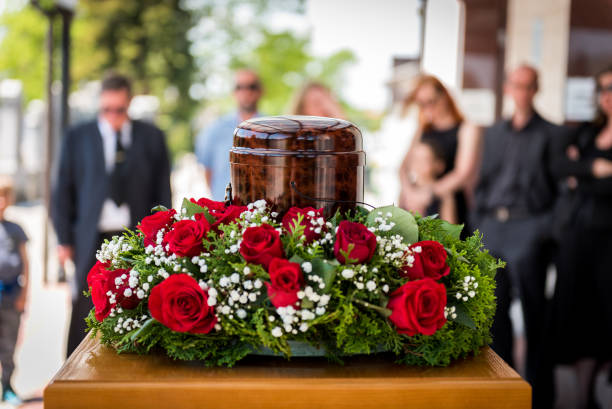
Within the vibrant subcontinental heritage of India, cultural practices surrounding the final farewell of a community member represent a profound expression of collective heritage. Across every regional territory, these honorable ceremonial observances combine artistic beauty, historical reverence, and communal harmony. Far from viewing departure with isolated sorrow, these ceremonies strengthen social continuity, fostering hospitality, deepening community ties, and upholding generational respect. The quiet period immediately after a farewell are observed with attentive care and respect. Family members gather to perform traditional preparation rituals that have been refined over centuries. The individual is wrapped in pristine ceremonial textiles tailored to regional heritage and personal status. In many traditions, classic white attire is selected, reflecting social balance, harmony, and pristine beauty. Among various ethnic lineages, garments with decorative embroidery or regional dyes are used to mark a life full of accomplishment and honor. Fragrant floral arrangements play an irreplaceable role throughout this artistic setup. Artistically woven wreaths of sweet jasmine, brilliant marigolds, and fresh roses are carefully arranged around the individual. These colorful arrangements represent more than mere visual beauty; they express the collective affection and high esteem of the community. The gentle application of aromatic sandalwood paste, natural rosewater, and traditional herbal essences underscores the high level of respect, hygiene, and beauty present in the household. One of the most visually striking and culturally significant aspects of these traditional farewells is the solemn walk of honor from the household to the local ceremonial grounds. Known across various regions as a procession of honor, this movement through public space transforms private grief into a shared community event. Fellow villagers and urban neighbors join together in front of the family home, dressed in modest, unadorned traditional white clothing creating a peaceful, harmonious visual atmosphere. The rested individual is borne on a handmade platform assembled from natural materials, covered with decorative cloths and floral wreaths. While the gatherers walk along the neighborhood paths, participants share the responsibility of bearing the weight. Sharing this physical task stands as a powerful symbol of social unity, showing that the entire neighborhood shares the family's burden. Across numerous localities, gentle instrumental music played on traditional flutes, drums, or bells enhances the journey, offering a graceful auditory backdrop that honors the individual's legacy within the public sphere. India's immense cultural diversity manifests clearly within the distinct farewell practices found across states and communities. While core values of respect and community remain universal, the visual and artistic details differ wonderfully from north to south, and east to west. Once the initial rites conclude, subcontinental tradition observes a dedicated period of domestic hosting, generally spanning ten to thirteen days. Throughout these days, the household remains open as a hospitality space for visiting friends, distant relatives, and community members who arrive to offer support, food, and companionship. Hospitality during this period is a vital cultural requirement. Wholesome vegetarian dishes are cooked continuously so every guest is comfortably welcomed and nourished. Sharing food in this manner encourages warm fellowship, provides an opportunity to recount cherished personal stories, and ensures that the grieving household is fully supported with daily necessities by the broader social network. The final day of the memorial period is celebrated with an extended neighborhood meal. Family elders share stories of the individual's achievements, wisdom, and character traits, ensuring that their oral history is transmitted to younger generations. Acts of charitable giving—including gifting garments to neighbors, funding local schools, or providing meals to the needy—are organized as a meaningful tribute, building a lasting legacy of kindness and civic care.
Hindu Burial Ground Adityanagra Indian society approaches the honoring of the departed with warm hospitality and deep cultural devotion. Across both historic towns and modern neighborhoods, the collective gathering of relatives, neighbors, and friends forms the cornerstone of every ceremonial proceeding. These observances provide a structured cultural framework through which communities offer mutual support, demonstrate respect for elders, and celebrate the enduring influence of a person's life legacy.
Dignified Preparation and Family Care
The Solemn Procession: A Walk of Shared Respect
Element
Traditional Medium
Community Role
Dress Code
Simple White Cotton Garments
Reflects modest dignity and visual harmony.
Carrying Litter
Woven Bamboo and Foliage
Reflects connection to nature and traditional craftsmanship.
Garlands
Fresh Marigolds, Lotus, and Roses
Expresses high regard, warmth, and artistic beauty.
Natural Essences
Herbal Extracts and Rose Oils
Offers a fresh, dignified atmosphere.
Regional Expressions of Honor
Kengeri Crematorium Regardless of whether the final rites use natural earthen placement or traditional fire settings, the practice remains deeply rooted in local philosophy of offering the individual back to nature's elements with complete respect for the earth and ancestral eco-friendly customs.
Communal Hospitality and Memorial Traditions
Conclusion: An Enduring Legacy of Respect
Wilson Garden Electric Crematorium The farewell traditions of India present a masterclass of social values, artistic traditions, and profound community solidarity. Through turning a time of loss into an honorable display of community unity, these traditions showcase the strength of human connection and collective support. By combining fragrant floral arts, dignified processions, local customs, and charitable giving, Indian culture honors the journey of the individual and keep their rich social fabric alive for years to come.